Content Creators are Changing How People Buy Cars - and How We Market Them
Insights
By James Klein28.07.2602 MIN
The way consumers buy cars has fundamentally changed. They are turning to automotive influencers instead of car shows and traditional outlets like Consumer Reports. That means experiential marketing doesn’t just drive awareness anymore. If you can get the right people to make the right content you sell cars.
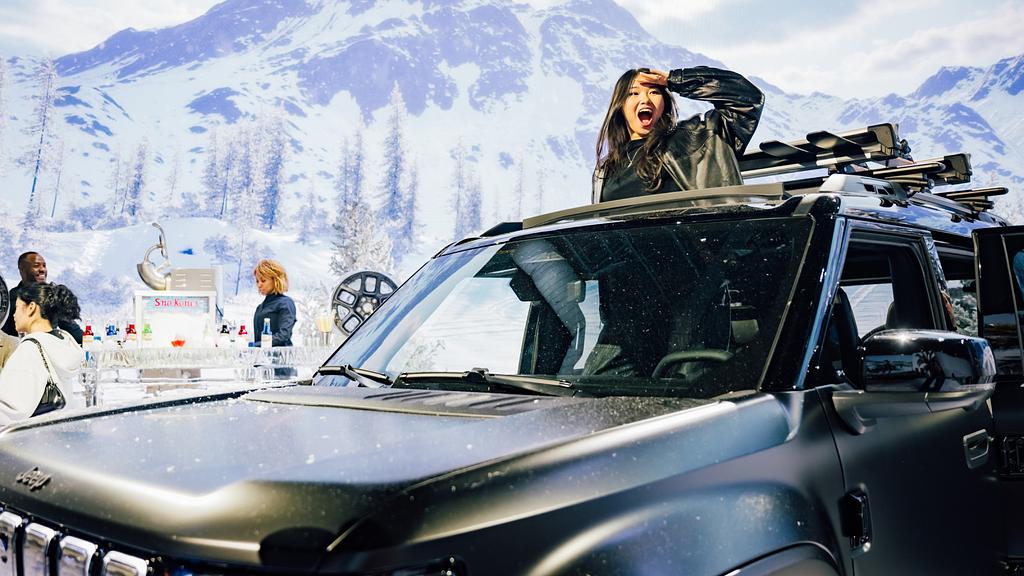
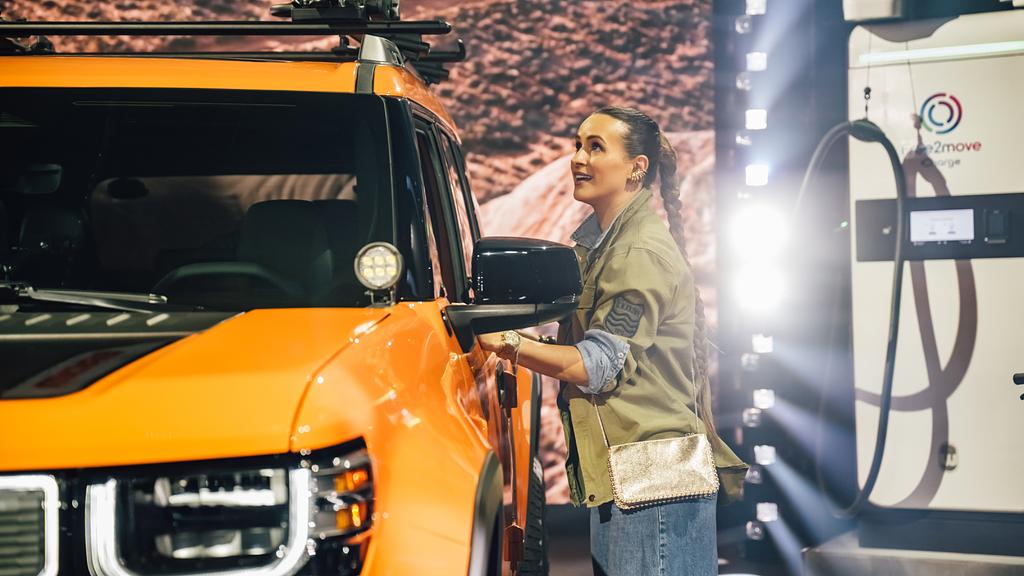
For the Jeep Recon reveal we built five environments — sand, rock, snow, city, sport — each one proving a spec through action. A sand sculpture showed cargo volume. A climbable ramp showed approach angle. The pond showed water fording. Every station existed to be filmed.
Here's why that mattered: the sale had already started before anyone got behind the wheel.
A study of 5,000+ recent car buyers from Snap/Havas Media Network/Alter Agents found 67% of car buyers use social platforms during their search, rising to 74% among Gen Z. 69% of younger shoppers say influencers make them aware of a brand in the first place; 63% say a creator's content makes them more likely to consider a specific model.
That lines up with what every dealership is already seeing: the showroom isn't where the story starts anymore. It's where the story gets confirmed (if they don’t go straight to buying online). The buyer has already watched a walkaround, read a forum thread and seen a creator put the vehicle through its paces.
That's why we didn't design the Recon activation as decoration around a launch. We designed it, as the Shorty Awards put it when they named the work a finalist, "to surprise and delight content creators, press and VIPs." Every environment existed so someone with an audience would want to hit record.
If your brand still treats influencer engagement as an add-on to the "real" marketing plan, you're building for a buying journey that leads to a smaller and smaller portion of sales. It's not a channel. It's the front door.