Nothing creates cultural gravity like a shared, real-time moment. When thousands or millions experience something at once, it drives awareness, conversation and amplification in a way on-demand content rarely can. That's why brands use live broadcast.
But true live production carries real risk: technical failure, dead air, missed moments. Most (not all) "live" broadcasts aren't fully live though and, in some cases, not live at all.
Most (not all) “live” broadcasts aren’t fully live and, in some cases, not live at all. Because true live production carries real risk: technical failure, dead air, missed moments.
The reality is that the most effective live broadcasts are carefully engineered to manage risk without sacrificing the feeling of immediacy.
A few ways we approach that:
- Strategic delay to allow for real-time editing and control
- Pre-packaged segments to maintain pacing and avoid lulls
- Pre-recorded elements that appear live but aren't, seamlessly integrated into the live moment
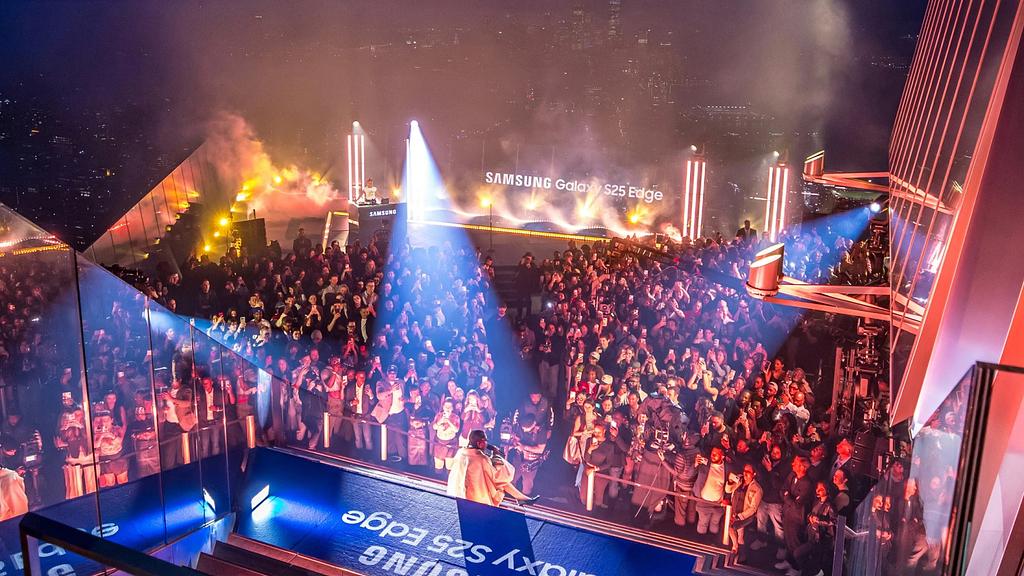
When AEON worked with UEG and Samsung on the launch of the S25 Galaxy Edge, Doechii's performance was truly live and experienced by global audiences in real time. But the pre-show with blue carpet interviews and other video packages was produced earlier in the day ready to stream "live" in the lead up to that performance.
The goal isn’t to make something perfectly live.
It's to make it feel live while delivering a controlled, high-quality experience at scale.
Because the best live moments don't happen by chance.
They're designed.